Above the Noise | Congressional Office Training
A constituent calls angry. A reporter wants an answer. A conversation turns personal. Your team has seconds to respond, and the way they respond matters.
Above the Noise is a practical, nonpartisan training experience that helps congressional staff stay steady, communicate clearly, and serve constituents with confidence when the pressure rises.
Three hours. In person. Your whole office. Built around your real calls.
The reality
One constituent needs help navigating a federal agency. Another wants the Member to take a position. Someone else is furious about a decision your office doesn't control.
Meanwhile, the meeting schedule changes, your inbox fills, and the next call is already coming in.
A difficult conversation can affect the next five conversations if staff don't have a way to reset.
Experienced congressional staff develop instincts for these moments. Newer staff are often expected to learn those instincts while the phone is ringing.
Your entire team deserves practical tools that work under those conditions.
"Strength is demonstrated through self-control."
The goal isn't to win every conversation. It's to provide excellent constituent service, communicate the office's position accurately, and maintain appropriate boundaries.
Congressional staff training
Above the Noise is a half-day, in-person workshop for congressional offices, typically 10 to 20 participants, including the Member and senior staff.
The session combines approximately two hours of difficult constituent-call training with one hour of media readiness. It is designed around two responsibilities every congressional office shares.
Part One · Approximately two hours
Participants practice how to:
Part Two · Approximately one hour
Participants learn how to:
This is not training to make everyone a spokesperson. It's training to make everyone more prepared.
The method
When pressure rises, people tend to speed up, lose clarity, or react before they've had time to think.
The solution starts before the first word.
Before you can change the direction of a difficult conversation, you need to manage your own response.
Staff practice fast, practical techniques for regulating their breathing, attention, posture, and pace.
The goal isn't to eliminate pressure. It's to remain capable while experiencing it.
Outcome: A staffer who can respond instead of react.
Difficult calls rarely improve because someone tells the caller to calm down.
Staff learn a structured approach to listening, naming the underlying concern, establishing rapport, setting boundaries, and moving toward a useful next step.
They also practice recognizing four broad caller types:
And they learn to look for “the call under the call,” the real need that may be hiding underneath anger.
Outcome: More consistent, respectful constituent conversations.
When staff don't have a clear answer, they improvise. Sometimes that works. Sometimes it creates a problem for everyone else.
The office learns a simple Message Map: one clear headline, three supporting ideas, and examples that make the message memorable.
The team then builds a map together for a challenging communication scenario specific to its office.
Outcome: Clearer answers, less improvisation, and a more consistent office voice.
Steady yourself. Climb the stairs. Map the message.
These are practical habits your team can use on the next call.
Tailored to your office
Before the training, Dale gathers input about the situations your staff find most difficult.
Those challenges become anonymized practice scenarios.
Staff work through situations that sound familiar because they are familiar.
This is not a speaker spending three hours explaining what worked somewhere else.
It's your team practicing what it needs to do better.
Gather the office's most difficult communication scenarios.
Practice, receive feedback, and build shared responses.
Use the physical tools and scheduled follow-up practice to reinforce the habits.
What happens in the room
The Member and senior staff lead by example.
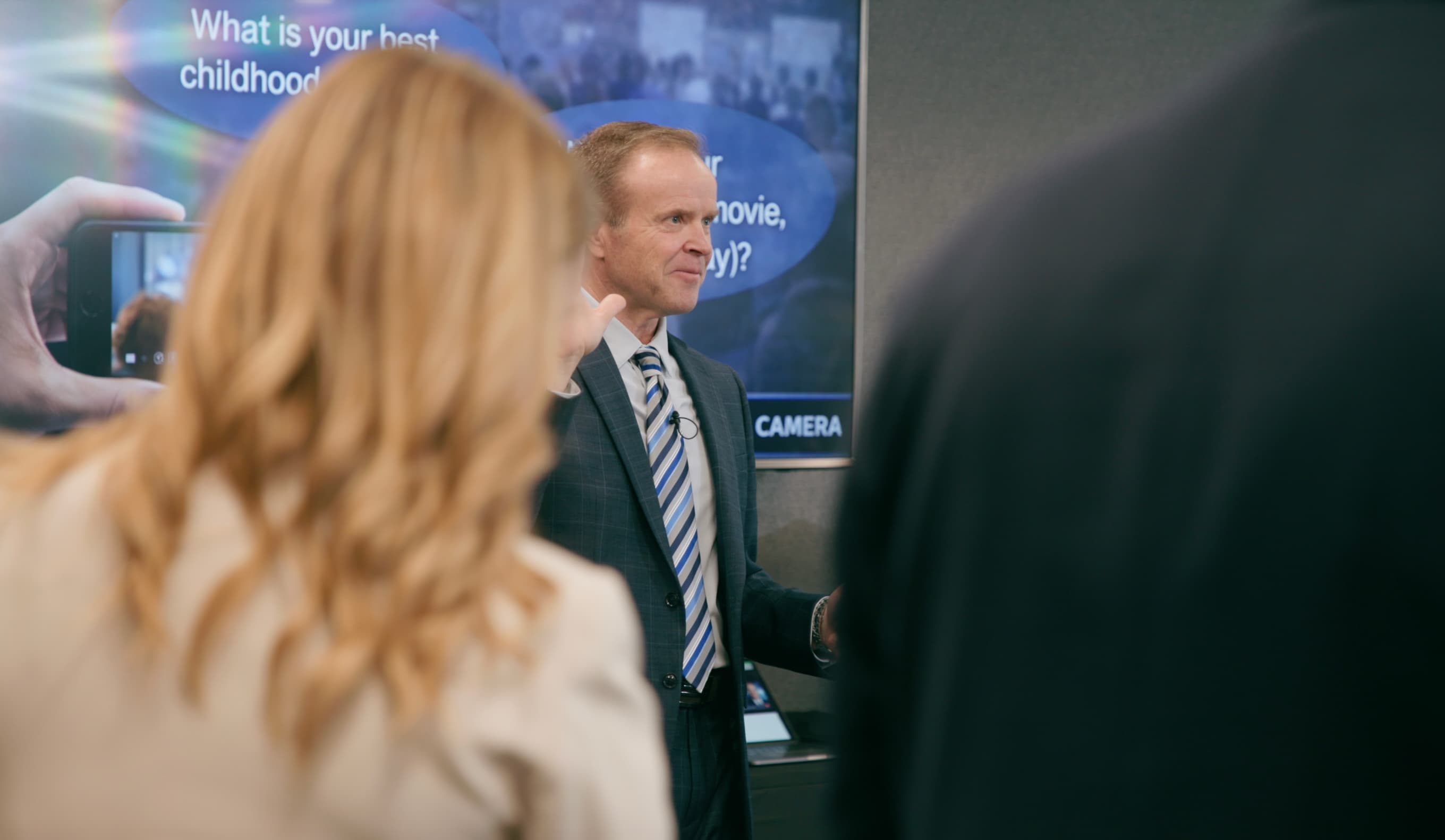
Participants observe demonstrations and work in small groups using scenario cards drawn from real office challenges.
Each practice group includes a caller, a staffer, and observers who provide structured feedback.
The observers look for three things:
The practice scenarios can contain a hidden detail that becomes clear only when someone asks a better question.
This is where the learning becomes real.
Practice is designed to be respectful and psychologically safe. Staff are not surprised with public performance demands. Practice rounds are not recorded.
"People have dignity before they have our agreement."
What the office keeps
Three hours of training won't help much if everything is forgotten by the following week.
Above the Noise includes physical tools and structured review so staff can continue practicing.
Practical exercises, space for notes, scheduled reviews, and a 30-day practice tracker.
Caller types, de-escalation steps, boundaries, and quick reminders about media inquiries and existing office procedures.
A physical reminder to breathe, reflect, and prepare for the next conversation after a difficult call.
Dale's book on communicating under pressure, signed for each participant.
A shared communication tool developed by participants during the workshop.
What changes
The goal isn't to turn congressional staff into polished performers.
It's to help them do a demanding job with greater clarity and confidence.
Staff feel more prepared for the difficult conversations they know are coming.
Constituents receive a professional, respectful experience regardless of which staff member answers.
Staff learn to understand what callers actually need before deciding how to respond.
Staff gain practical ways to maintain boundaries, close conversations, and avoid carrying difficult calls into the rest of the day.
Participants begin by rating how prepared they feel for their most difficult anticipated call on a scale of 1 to 10. They revisit that rating at the end of the session.
This is a simple measure of perceived readiness, not a guarantee of improved performance.
No guilt. No regrets. Just better preparation for the next call.

About Dale
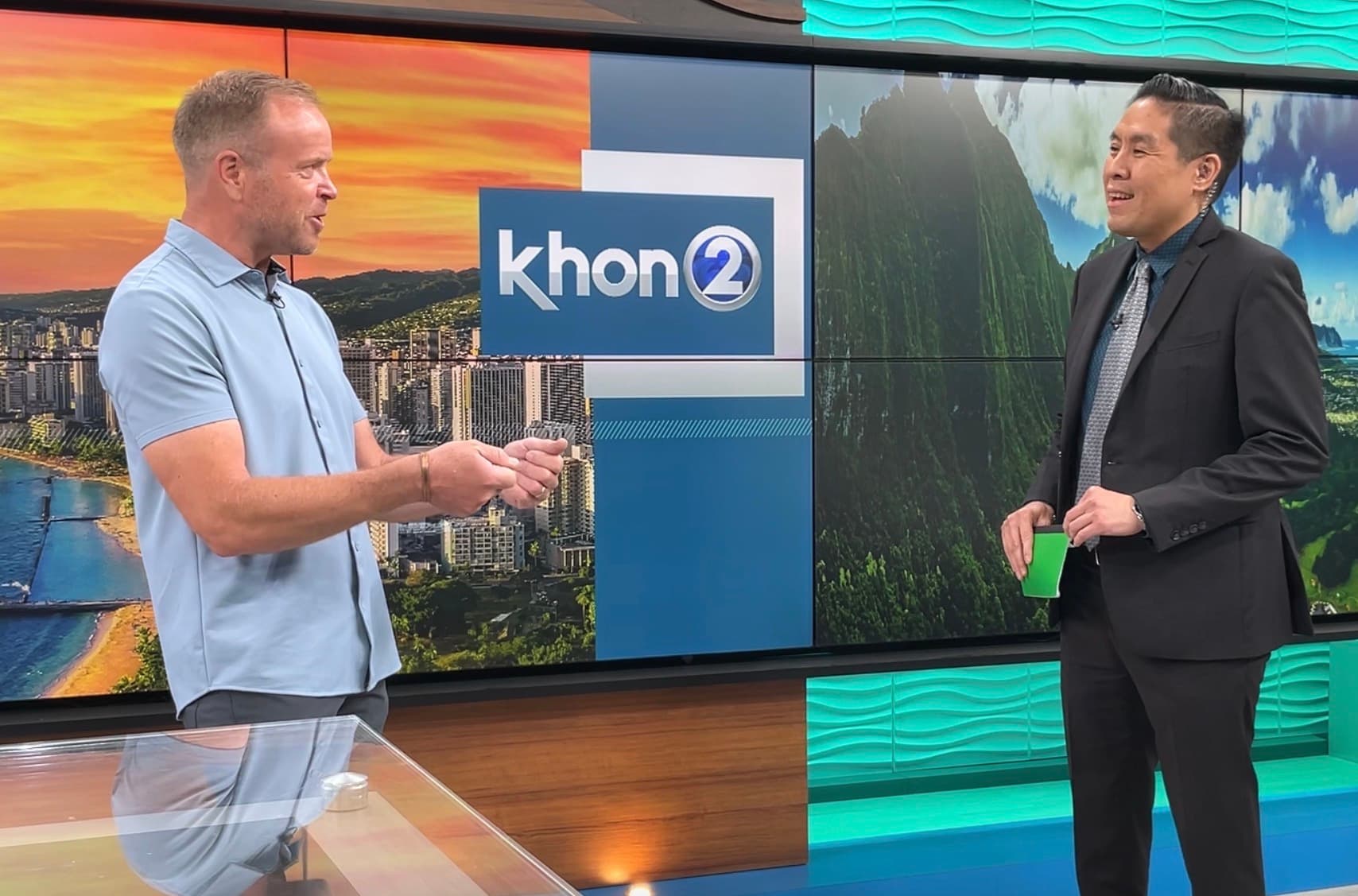
I spent 15 years in broadcast news, learning what happens when the microphone comes on, the deadline approaches, and someone needs an answer.
I watched capable, intelligent people struggle with questions they knew how to answer. The pressure changed the way they communicated.
For more than 20 years, I've worked in executive leadership, communication coaching, training, and speaking.
I'm the author of Sweating Bullets and the founder of Dale Dixon Media and The Presence Lab.
My work focuses on helping capable people stay clear, connected, and useful when the pressure rises.
Congressional staff face a particularly demanding version of that challenge. They represent an elected official, serve the public, protect the integrity of the office's communication, and often do it all with a phone ringing in the background.
The answer isn't another set of talking points.
It's practice that holds up when the conversation gets difficult.
Dale Dixon
Executive Communication Coach | Author | Former Broadcast Journalist
Also see executive communication coaching and speaking.
Experience
Above the Noise has been delivered as an in-person training experience for a congressional office, bringing together the Member, senior staff, and district and Washington staff.
The experience reinforced an important lesson: the most useful communication training happens when staff work through the situations they actually face.
The program incorporates that practical experience, with emphasis on real scenarios, clear boundaries, shared messages, and continued practice.
Frequently asked questions
Congressional training purchases and official-resource restrictions require review by the purchasing office under its applicable rules.
No. The training focuses on communication, constituent service, professionalism, and appropriate boundaries. The same principles apply to Republican and Democratic offices. Policy positions remain the responsibility of the office.
The standard program is a three-hour, in-person workshop. Approximately two hours focus on difficult constituent calls and one hour on media readiness.
The workshop is designed for the whole congressional office, including the Member, senior staff, communications staff, and constituent-facing team members. A typical group is 10 to 20 participants.
The training is tailored using situations your staff identify beforehand. Practice materials remove names and identifying information. Confidential constituent information does not need to be submitted through the website.
The workshop is designed to be a safe place to practice. Leadership demonstrations set the tone, followed by structured small-group exercises. Staff are not unexpectedly put on the spot.
Practice rounds are not recorded.
No. The training helps staff recognize when to establish boundaries and follow their office's existing reporting and escalation procedures. It does not replace official security training or protocols.
Yes. The training works particularly well when staff from both locations participate together. Delivery is in person, and scheduling and location can be discussed when planning the session.
Pricing is provided based on the office's training needs, location, travel requirements, and logistics. Contact Dale to discuss a proposed session.
Dale will review your inquiry and follow up to discuss the office's priorities, group size, location, and training goals. From there, he can outline a proposed session and pricing.
Start the conversation
Tell me a little about your office and what your staff are facing.
We'll discuss whether Above the Noise is a good fit, how the training could be tailored, and what an in-person session would involve.