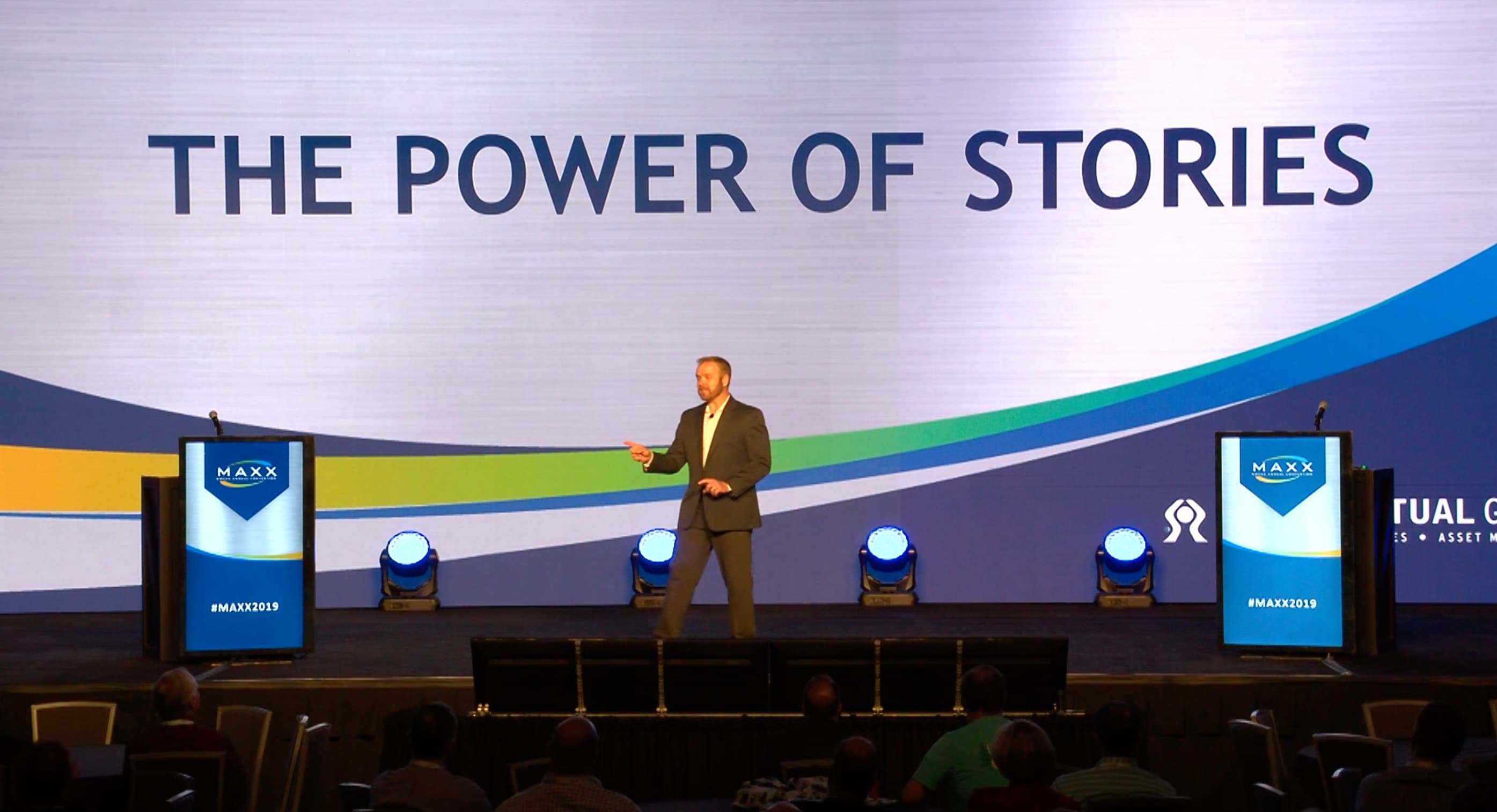
Dale Dixon presenting on a conference stage beneath The Power of Stories

Speaking + Workshops

Give leaders tools they can use when the pressure rises.

The best communication training does more than sound good in the room. It gives people something useful to do when the presentation gets harder, the questions get sharper, or the plan stops going as expected.

Dale Dixon delivers keynotes and workshops built around practical communication under pressure.

What makes the work useful

People should leave with something they can use Monday morning.

The audience does not need another hour of generic advice about confidence, eye contact, or being authentic. They need useful ways to think and act when communication gets harder.

Dale's programs are designed to give participants:

  • Clearer ways to organize thinking
  • Practical preparation tools
  • Better ways to handle difficult questions
  • Stronger awareness of what changes under pressure
  • Methods for staying connected to the audience
  • Language and frameworks they can use after the event

Speaking topics

Built around the communication moments that matter.

These are topic areas, not fixed keynote titles. The emphasis can be shaped around the audience and the communication situations they face.

Communication Under Pressure

How capable leaders can stay clear and useful when the stakes rise.

The work examines what pressure changes, why familiar communication skills can disappear under stress, how to prepare before the moment, and how to practice for the hard part rather than only the easy part.

Executive Presence

Executive presence is not polish, posture, or performance theater.

Clarity, connection, listening, preparation, and composure all shape the way a leader is experienced by others.

Difficult Questions and Q&A

Preparation for questions that are challenging, unexpected, skeptical, or emotionally loaded.

The focus is on listening, staying with the question, organizing the answer, and remaining useful under pressure.

Media and On-Camera Communication

Practical preparation for interviews, cameras, short response windows, and difficult questions.

These environments give every word more weight and require leaders to stay clear, concise, and connected.

Audience-First Communication

Stop beginning with what the speaker wants to say.

Begin instead with what the audience needs to understand, remember, or do.

Message Clarity

Simplify complex ideas without dumbing them down.

Find the essential idea, remove noise, and make the message easier to understand and remember.

Format

Keynote when the room needs an idea. Workshop when the room needs practice.

Keynotes

Designed for larger audiences where the goal is to give people a useful idea, memorable framework, and practical way to think differently about communication under pressure.

Workshops

Designed for smaller or more interactive groups where participants can apply the ideas, practice, ask questions, and work on real communication situations.

Executive Team Sessions

For leadership groups that want to work on communication together around a shared challenge, upcoming presentation, media environment, or high-stakes moment.

Before Dale walks on stage

The work starts before the microphone turns on.

Dale does his homework. He wants to understand:

  • Who is in the room
  • What they are responsible for
  • What communication situations they face
  • What language they use
  • What matters to the organization or association
  • Where the pressure tends to show up

The goal is not to manufacture a completely new program for every event. The goal is to make the content relevant to the people actually sitting in the room.

“We bring Dale back year after year because he does his research, comes prepared, and meets our group where they are. Students leave with practical tools they can use when media calls and there is little time to prepare.”

Paul ArringtonExecutive Director and General CounselIdaho Water Users Association (IWUA)

Experience

Comfortable with the microphone. More interested in the audience.

Dale spent nearly 30 years in broadcast news before moving into leadership coaching, keynote speaking, and executive communication work. He regularly speaks and presents to professional and organizational audiences.

His journalism background taught him to:

  • Work under time pressure
  • Explain complicated ideas clearly
  • Listen for the real question
  • Stay useful when the plan changes
  • Communicate in front of cameras
  • Prepare for situations that do not follow the script

Dale is also the author of Sweating Bullets: A Story About Overcoming the Fear of Public Speaking and host of The Presence Lab.

Dale Dixon speaking to an audience during a presentation workshop
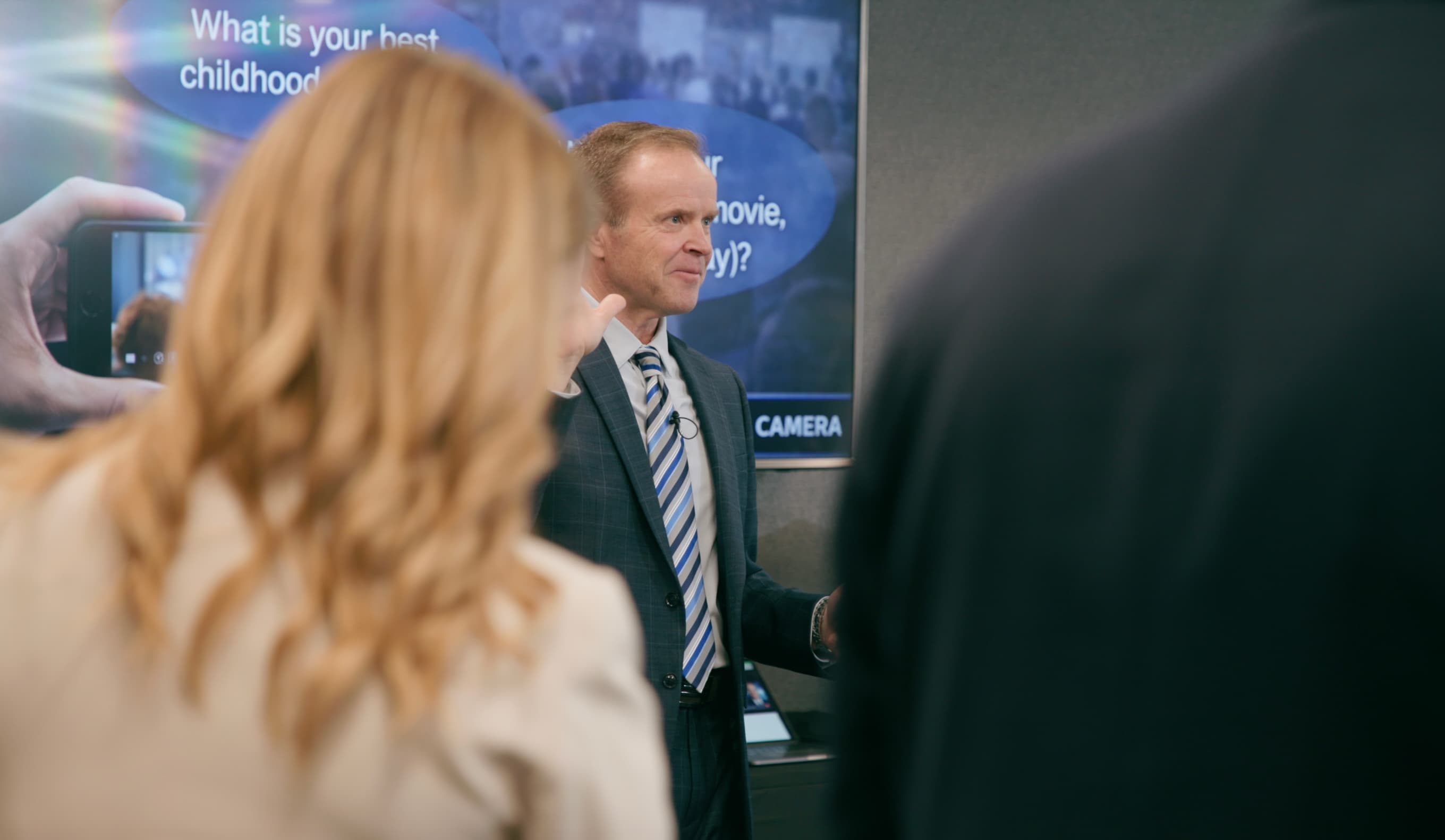
Dale Dixon speaking with a television anchor in the KHON2 studio

When a keynote is not enough

Some teams need practice, not another presentation.

Workshops and team sessions give leaders room to apply the ideas, ask questions, and work on communication situations that matter to the organization.

  • Important presentations
  • High-stakes Q&A
  • Media readiness
  • On-camera communication
  • Message clarity
  • Executive presence
  • Communication during change
  • Difficult or sensitive communication moments
Explore Executive Communication Coaching

What clients say

Practice should show up when the room is full.

“I wanted the attendees to see the diversity of our leaders, but our leaders were not polished speakers and they were at several different levels of comfort in front of an audience.

Dale's work with us inspired confidence and won over leaders on both ends of the spectrum. When our conference arrived, our leaders were relaxed, confident and they gave the best presentations of their careers up to that point.”

Ron PriceFounder and former CEOThe Complete Leader

A good fit

The audience should have something important to communicate.

Dale's programs are best suited to:

  • Professional audiences
  • Leadership teams
  • Executives
  • Subject-matter experts
  • Business owners
  • Association members
  • People whose communication affects decisions, trust, reputation, or results

The programs are built for practical application, not entertainment alone. The work invites the audience to think, participate, and apply.

Continue the work

The event ends. The practice does not have to.

The Presence Lab is Dale's ongoing body of work on communication under pressure. It gives leaders practical ideas and tools they can continue using after the event.

Start a conversation

What does your audience need to be better at when the pressure rises?

Tell Dale who will be in the room, what they are responsible for, and what communication situations matter most. The first conversation is about fit and relevance.